Stem Cells
AREA: Assisted Reproduction, Research
LANGUAGE: English
PLACES: 15
STUDENTS: 0/15 (0%)
START DATE & END:
11/08/2026 – 15/09/2026
MODALITY: Online
CENTER: IVIRMA Global Education
Stem Cells
AREA: Assisted Reproduction, Research
LANGUAGE: English
PLACES: 15
STUDENTS: 0/15 (0%)
START DATE & END:
11/08/2026 – 15/09/2026
MODALITY: Online
CENTER: IVIRMA Global Education
Stem Cells
AREA:
LANGUAGE: English
ProgramData
Start date and end:
11/08/2026 - 15/09/2026
Enrollment:
350 €
Location:
Campus NEO
Hours:
20 theoretical
Self-paced study
Type:
Online courses
Organizer center:
IVIRMA Global Education
Description
We will describe the basic concepts about stem cells, types according to their origin and differentiation potential. We will delve into the possible applications of Regenerative Medicine to heal and repair organs and tissues through cell replacement therapy with its advantages and disadvantages.
We will study each type of stem cell according to its differentiation potential from pluripotent cells such as human embryonic stem cells to induced pluripotent cells whose discoverer was awarded with the Nobel Prize in Medicine in 2012. We will analyze somatic stem cells and those that have been identified in organs and reproductive tissues: ovaries, testes, endometrium, myometrium, and umbilical cord blood.
We will study germ stem cells, which are haploid sex cells that can be obtained from embryonic stem cells or by somatic cell transdifferentiation.
We will review the legal and ethical foundations that handle studies with these cell types.
Biomedical Professionals, Biotechnologists, Andrologists and Embryologists
20 ECMEC's
Academic information
Competencies
- Describe the basic concepts of cellular and molecular biology related to stem cells as well as the different types of stem cells.
- Explain the ethical and legal principles surrounding stem cell use and research including issues of informed consent and intellectual property.
- Relate the unique characteristics of stem cells to their ability to regenerate tissues and treat diseases and their application in regenerative medicine and biomedical research.
- Analyze scientific and technological advances in the field of stem cell research and evaluate the results of preclinical and clinical studies that investigate their potential use.
- Evaluate the safety and effectiveness of stem cell-based therapies in clinical trials and preclinical studies.
- Assess the social ethical and economic implications of research and clinical application of stem cells.
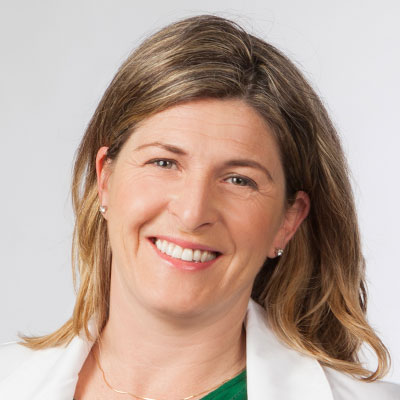
Course Coordination:
Irene Cervelló Alcaraz
View profileProgram
1. Stem cells. Therapeutic possibilities. Regenerative Medicine
2. Pluripotent stem cells: types and general aspects
3. New Technologies in Reproductive Medicine: Organoids and Microfluidics
4. Umbilical cord blood stem cells
5. Perinatal stem cells: Umbilical cord tissue
6. Gamete generation from stem cells: Reprogramming and transdiferentiation
7. Adult stem cells in human testicles
8. Myometrium and Fibroid Adult Stem Cells
9. Adult stem cells in the human endometrium
10. Female Fertility preservation
11. Ovarian rejuvenation and stem cells: Applications and future perspectives
12. New strategies to repair oocytes
13. Tissue bioengineering and regenerative medicine in reproduction
14.Bioethics and legislation of stem cell research
15. Therapeutic applications of stem cells
Cancellation and Refund Policy
Once the course has started, enrollment cancellation will not be possible, and no refunds will be issued under any circumstances.
Theoretical-practical courses are designed as an indivisible training unit; therefore, no refunds will be granted once the course has begun, even if the practical component has not yet started.
Course Completion
A course will only be considered successfully completed when the student has fully completed the entire program. If the course includes a practical component, it will not be deemed completed unless that component has been fully carried out.
No certificate of completion or attendance will be issued if the student has not completed all the activities included in the course program. Under no circumstances will certificates be issued for partial completion of either the theoretical or practical parts of the course.
Related courses
Online
Basic Principles of Assisted Reproduction
Start: 04/09/2026
Online courses
ECMEC's
Course fee:
200 €
Online
Specialization in IVF Laboratory Management Program
Start: 07/09/2026
Online courses
ECMEC's
Course fee:
500 €
Online
Ethical and Legal Aspects of Assisted Reproduction Techniques
Start: 08/09/2026
Online courses
ECMEC's
Course fee:
350 €
11/08/2026 – 15/09/2026
20 theoretical
100% flexible schedule
Campus NEO
350 €
Program Data
Campus NEO
Intended for
Biomedical Professionals, Biotechnologists, Andrologists and Embryologists
Description
We will describe the basic concepts about stem cells, types according to their origin and differentiation potential. We will delve into the possible applications of Regenerative Medicine to heal and repair organs and tissues through cell replacement therapy with its advantages and disadvantages.
We will study each type of stem cell according to its differentiation potential from pluripotent cells such as human embryonic stem cells to induced pluripotent cells whose discoverer was awarded with the Nobel Prize in Medicine in 2012. We will analyze somatic stem cells and those that have been identified in organs and reproductive tissues: ovaries, testes, endometrium, myometrium, and umbilical cord blood.
We will study germ stem cells, which are haploid sex cells that can be obtained from embryonic stem cells or by somatic cell transdifferentiation.
We will review the legal and ethical foundations that handle studies with these cell types.
Skills
- Describe the basic concepts of cellular and molecular biology related to stem cells as well as the different types of stem cells.
- Explain the ethical and legal principles surrounding stem cell use and research including issues of informed consent and intellectual property.
- Relate the unique characteristics of stem cells to their ability to regenerate tissues and treat diseases and their application in regenerative medicine and biomedical research.
- Analyze scientific and technological advances in the field of stem cell research and evaluate the results of preclinical and clinical studies that investigate their potential use.
- Evaluate the safety and effectiveness of stem cell-based therapies in clinical trials and preclinical studies.
- Assess the social ethical and economic implications of research and clinical application of stem cells.
Program
Program
1. Stem cells. Therapeutic possibilities. Regenerative Medicine
2. Pluripotent stem cells: types and general aspects
3. New Technologies in Reproductive Medicine: Organoids and Microfluidics
4. Umbilical cord blood stem cells
5. Perinatal stem cells: Umbilical cord tissue
6. Gamete generation from stem cells: Reprogramming and transdiferentiation
7. Adult stem cells in human testicles
8. Myometrium and Fibroid Adult Stem Cells
9. Adult stem cells in the human endometrium
10. Female Fertility preservation
11. Ovarian rejuvenation and stem cells: Applications and future perspectives
12. New strategies to repair oocytes
13. Tissue bioengineering and regenerative medicine in reproduction
14.Bioethics and legislation of stem cell research
15. Therapeutic applications of stem cells
Coordinators
Accrediting entity
Cancellation and Refund Policy
Once the course has started, enrollment cancellation will not be possible, and no refunds will be issued under any circumstances.
Theoretical-practical courses are designed as an indivisible training unit; therefore, no refunds will be granted once the course has begun, even if the practical component has not yet started.
Course Completion
A course will only be considered successfully completed when the student has fully completed the entire program. If the course includes a practical component, it will not be deemed completed unless that component has been fully carried out.
No certificate of completion or attendance will be issued if the student has not completed all the activities included in the course program. Under no circumstances will certificates be issued for partial completion of either the theoretical or practical parts of the course.